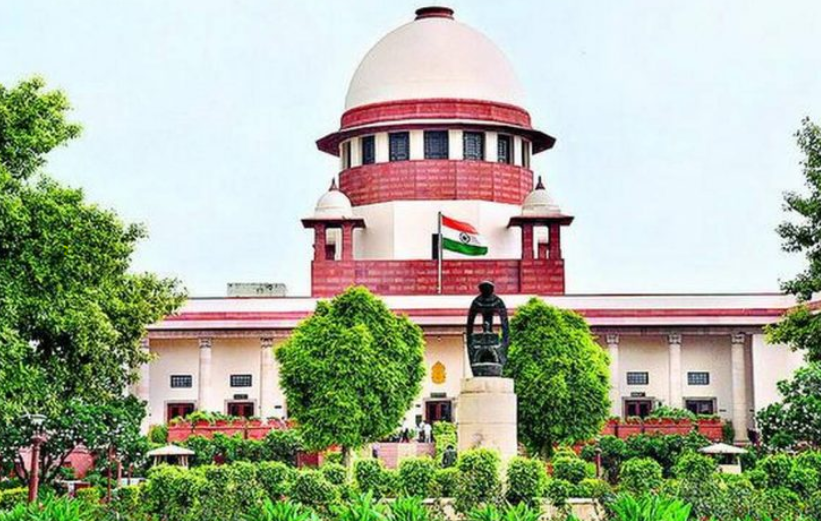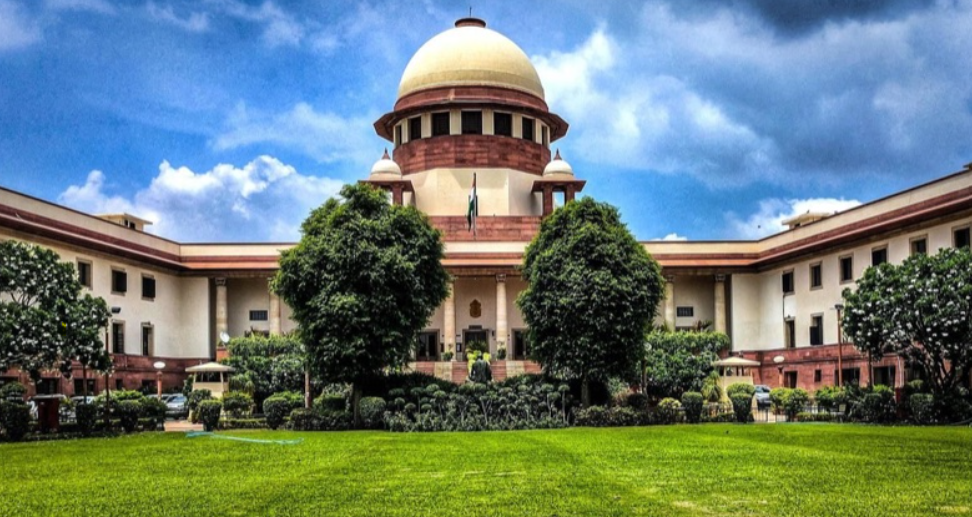
In a significant statement before the Supreme Court, the central government on Wednesday asserted that Waqf—though an Islamic concept—is not an essential religious practice under Islam and therefore cannot be claimed as a fundamental right under the Indian Constitution.
Solicitor General Tushar Mehta, appearing for the Centre, made the submission during the hearing of petitions challenging the Waqf (Amendment) Act, 2025. Mehta stated that merely being a part of Islamic tradition does not make Waqf a constitutionally protected religious practice.
He emphasized that “Waqf is an Islamic concept, but unless it is considered an essential part of Islam, it cannot form the basis for any fundamental rights claim.” The Centre’s stance challenges the notion that Waqf properties enjoy immunity under religious freedom clauses.
Defending the amendment, Mehta said no individual can stake a claim over government land, even if such land has been declared as Waqf. Citing previous Supreme Court judgments, he said the state retains the authority to reclaim or regulate such properties.
He further stated, “Waqf property is not a fundamental right. It is a statutory creation. Any right given through legislative policy can be withdrawn at any time.”
This submission could significantly impact ongoing legal interpretations concerning religious property rights and the powers of Waqf boards in India.