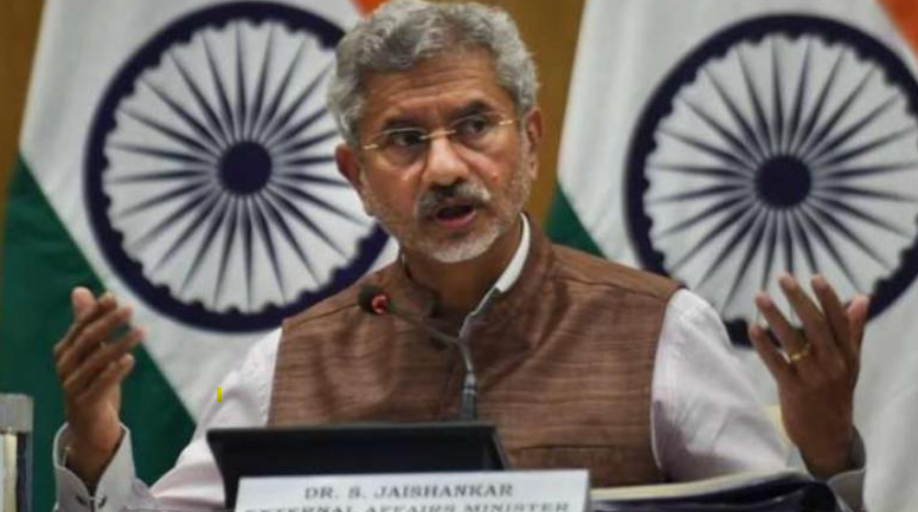
External Affairs Minister Dr. S. Jaishankar clarified in the Lok Sabha that there was no direct communication between Prime Minister Narendra Modi and then-US President Donald Trump between April 22 and June 17. He added that after India’s retaliatory strikes on Pakistan, calls received from global sources hinted that Pakistan had conceded. However, India insisted that any request for de-escalation must officially come from Pakistan’s Director General of Military Operations (DGMO). Only after such a plea did India pause its operations.
Speaking on Operation Sindoor in Parliament, Jaishankar said that a strong and clear message had to be delivered after the Pahalgam terror attack. The first step was a Cabinet Committee on Security (CCS) meeting on April 23, which led to the following decisions:
- Suspension of the 1960 Indus Waters Treaty until Pakistan credibly and irreversibly stops cross-border terrorism.
- Immediate closure of the Integrated Check Post at Attari.
- Termination of SARCC visa exemptions for Pakistani nationals.
- Expulsion of Pakistan’s Defence, Naval, and Air Advisors from its High Commission.
- Reduction of staff at the Pakistani High Commission from 55 to 30.
Jaishankar stressed that India’s response wouldn’t stop there. Diplomatically, India aimed to shape global understanding of Pakistan’s role in promoting cross-border terrorism and expose how the Pahalgam attack targeted both Kashmir’s economy and communal harmony.
Highlighting India’s global outreach, Jaishankar said the UN Security Council was central to India’s diplomatic efforts. Despite Pakistan being a member at the time, India sought to secure accountability and justice. He noted that the Security Council’s April 25 statement strongly condemned the attack and emphasized the need to hold perpetrators, financiers, and sponsors of terrorism accountable.