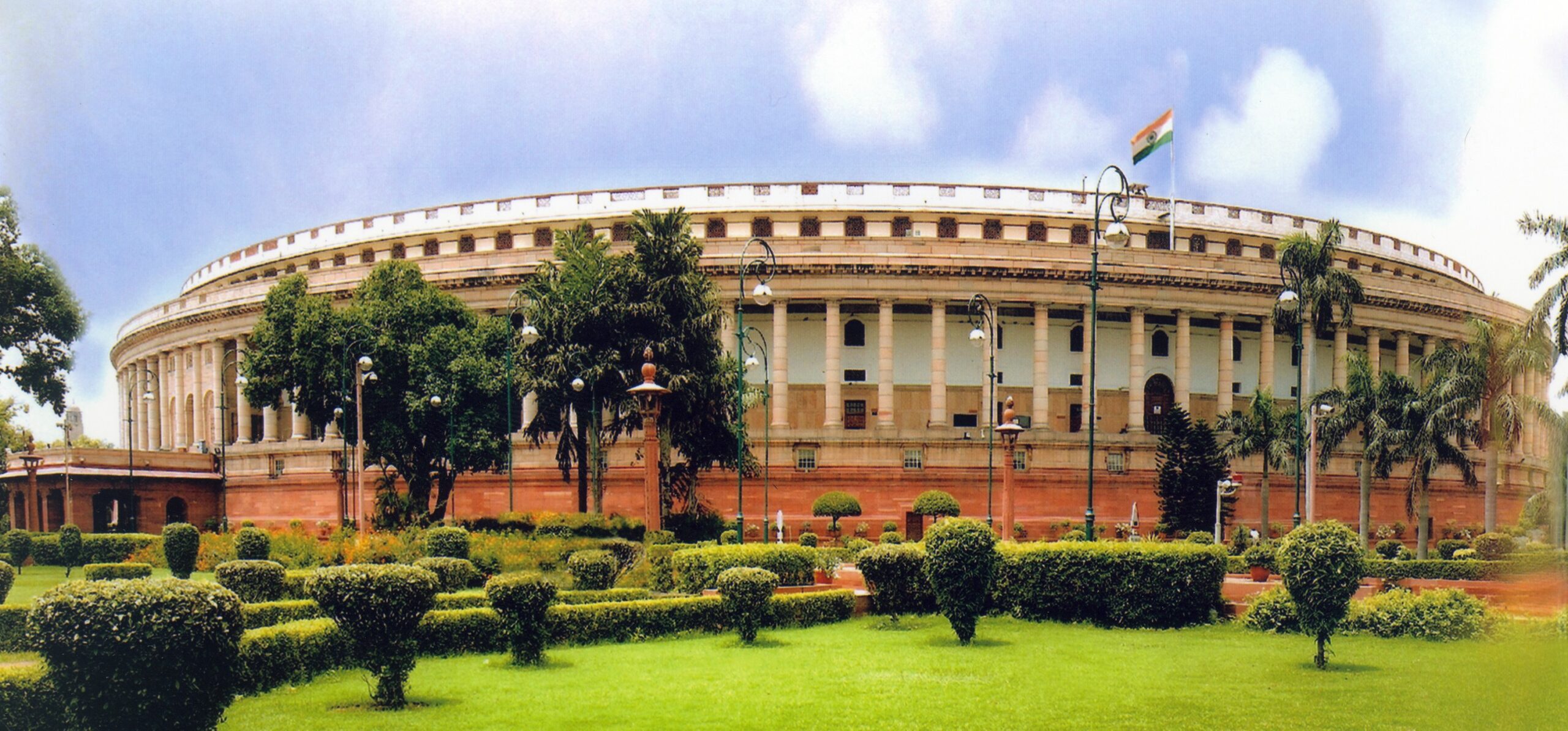
The Lok Sabha on Monday passed two key tax bills without any debate, sparking protests from opposition parties. Finance Minister Nirmala Sitharaman tabled the Income Tax (No. 2) Bill 2025 and the Taxation Laws (Amendment) Bill 2025, both of which were approved by voice vote despite disruptions in the House over the voter list revision in Bihar. Following their passage, the Lok Sabha was adjourned for the rest of the day.
The Income Tax (No. 2) Bill 2025 seeks to consolidate and amend laws related to the Income Tax Act 1961 while the Taxation Laws (Amendment) Bill 2025 proposes changes to the Income Tax Act and the Finance Act 2025. Sitharaman reintroduced the updated income tax bill after incorporating most recommendations of the Parliamentary Standing Committee headed by Baijayant Panda. This came after the government withdrew an earlier version of the bill last week.
Originally introduced on February 13 to replace the six-decade-old Income Tax Act 1961 the bill was withdrawn following the panel’s suggestions. The new draft tabled on August 11 aims to provide an updated consolidated version of the legislation with improved wording alignment of phrases and adjustments to cross-references. Sitharaman said these changes were essential to give the bill “legislative meaning” and to avoid confusion confirming that the draft would form the basis for replacing the 1961 Act.
Samajwadi Party chief Akhilesh Yadav criticised the government for passing the bill without discussion. “This is the BJP’s way of functioning — making major decisions without any debate. Look at their foreign policy tariff hikes and dependence on China. No one imagined that 20000 primary schools would be shut down. If poor children cannot study no income tax bill can bring happiness,” he said.
The standing committee had flagged multiple drafting errors in the earlier bill and suggested several key changes. These included removing the phrase “in the ordinary course” from Section 21 to clarify the comparison between actual and deemed rent for vacant properties; specifying that the 30% standard deduction under Section 22 applies after municipal taxes; extending pre-construction interest deductions to rented properties; allowing modified pension deductions for non-employees receiving pensions; and amending Section 20 to avoid taxing temporarily unused commercial properties as “house property” income. The panel noted these changes would enhance fairness clarity and consistency with existing provisions.