By Sunil Sonker
Mussoorie, 13 Nov: November 14 is the birth anniversary of the country’s first Prime Minister, Pandit Jawaharlal Nehru, which is celebrated as Children’s Day. According to historians, Nehru had a deep affection for Mussoorie and Dehradun. This connection was significant not only from a tourism perspective but also from both personal and historical perspectives.
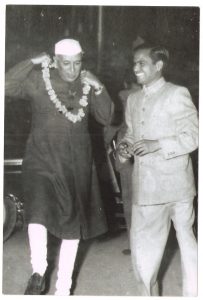
Mussoorie historian Gopal Bhardwaj recalls that Nehru first visited Mussoorie in 1906 with his father, Motilal Nehru, when he was only 16 years old. He was deeply impressed by the cool valleys and lush green hills, and this is why he visited Mussoorie several times during his lifetime. In 1920, the Nehru family stayed at Hotel Savoy in Mussoorie. At that time, the British ordered them to vacate the hotel within 24 hours. This incident made their stay in Mussoorie even more historic. In 1959, Nehru met Tibetan spiritual leader, the Dalai Lama, at Birla House in Happy Valley. They discussed the problems of Tibetan refugees in depth.
Nehru described Mussoorie as his second home. He would ride a horse on Mall Road, adhering to the rules of the time and avoiding vehicles. Historian Gopal Bhardwaj explains that the Municipal Council President advised him to use a vehicle, but Nehru, respecting the rules, preferred to ride on horseback. Nehru loved the Circuit House in Dehradun and the surrounding natural beauty. He spent several months in Dehradun jail as a political prisoner from 1932 to 1941. During this time, he wrote parts of his famous books, “Discovery of India” and “Letters from a Father to His Daughter”. Several landmarks associated with the Nehru family remain in Mussoorie today, including Lotus Castle, Kasmanda House (now Padmini Niwas), Craig Top, and Birla House. These sites bear witness to his life and memories. Nehru visited Mussoorie even during his final days. He was in Mussoorie just two days before his death and returned to Delhi due to ill health.
Bhardwaj says Nehru’s attachment to Mussoorie and Dehradun was not merely personal but also linked to his political and social activities. Even today, these sites are a centre of attraction for history lovers and keep Nehru’s memory alive.