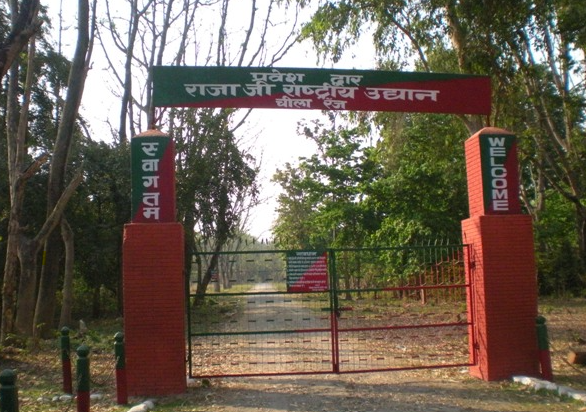
After a decade-long wait, the Rajaji Tiger Reserve in Uttarakhand is finally set to implement a comprehensive Tiger Conservation Plan (TCP). The plan has been submitted to the National Tiger Conservation Authority (NTCA) for approval, and once cleared, it will guide scientific management of tigers and other wildlife, habitat improvement, and enhanced monitoring across the reserve.
Rajaji Tiger Reserve was notified in 2015 as Uttarakhand’s second tiger reserve after Corbett, encompassing areas from Rajaji National Park and adjoining forests. NTCA mandates that every tiger reserve must prepare a dedicated conservation plan. Despite this, the process in Rajaji remained sluggish for years, with the TCP draft only recently finalized and submitted.
Currently, over 60 tigers inhabit the Cheela, Gohri, Rawasan, and Shyampur ranges of the reserve. Additionally, five tigers have been relocated from Corbett to Rajaji’s Dhaulkhand and Motichur zones to boost population growth in those areas.
Chief Wildlife Warden and Principal Chief Conservator of Forests (Wildlife), R.K. Mishra, expressed confidence that the NTCA will soon approve the plan. He noted that the TCP includes critical measures such as resolving human-wildlife conflicts, ensuring year-round water availability in forests, installing robust surveillance systems, and conducting regular population monitoring of key species like tigers and elephants.
Though the Rajaji Tiger Reserve Foundation was formed earlier, it took nearly 10 years to finalize the plan. The TCP now promises focused and scientific intervention to protect and expand tiger populations in one of India’s key ecological zones.