Indian-origin astronaut Shubhanshu Shukla is making headlines aboard the International Space Station (ISS) with a pioneering research experiment on muscle health. Part of the Axiom-4 mission, Shukla—along with astronauts from the USA, Poland, and Hungary—is conducting critical “muscle and brain research” to understand how space travel affects the human body.
According to NASA, Shukla is carrying out stem cell experiments on muscle tissue inside the Life Sciences Glovebox located in Japan’s Kibo module aboard the ISS. The goal is to determine how muscles can be kept healthy in microgravity, a setting where the absence of gravitational force causes rapid muscle degeneration.
Muscle Loss in Space and the Search for a Solution
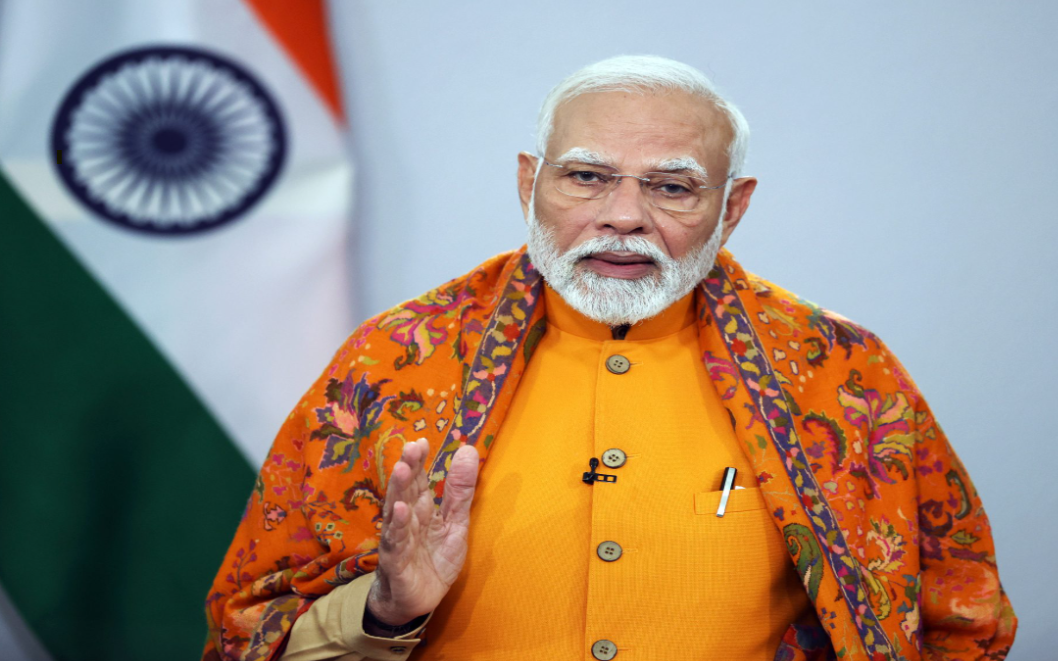
In a conversation with Prime Minister Narendra Modi, Shukla explained that in space, the lack of gravitational pull reduces the natural load on the human body. This leads to weakening and deterioration of muscles. His experiment is testing whether certain supplements can prevent or slow down this muscle loss—an approach that may also prove beneficial on Earth.
A Boon for the Elderly Back on Earth?
Shukla noted that this research could provide significant breakthroughs for aging populations suffering from muscle atrophy. If successful, it could lead to the development of new drugs or nutritional supplements aimed at preventing muscle loss in the elderly.
Crucial for Deep Space Missions
Axiom Space emphasized that this research is vital for long-duration missions to the Moon or Mars, where astronauts face extended periods in zero gravity. NASA added that Shukla also recorded special videos for Indian students, explaining how the digestive system functions in space and contributing to mental health studies for astronauts.
India’s Contribution: 7 Key Scientific Studies
India has sent seven major research studies as part of the Axiom-4 mission. Among these, Shukla’s muscle research is considered the most significant. Overall, the crew is expected to conduct nearly 60 scientific experiments and commercial activities during the 14-day mission, with participation from countries like the USA, Poland, Hungary, Saudi Arabia, Brazil, Nigeria, the UAE, and others in Europe.