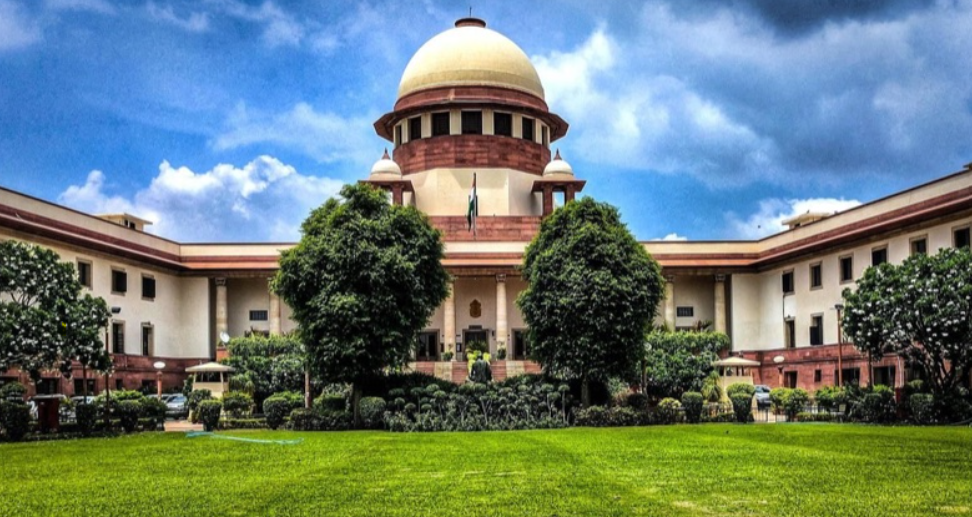
The Supreme Court has raised serious doubts over its 2014 ruling in the Pramati Educational and Cultural Trust case, which had exempted minority institutions from the Right to Education (RTE) Act. A bench of Justice Dipankar Datta and Justice Augustine George Masih said they were uncertain about the correctness of the earlier judgment and have referred the matter to Chief Justice B.R. Gavai for further consideration.
The RTE Act mandates free and compulsory education for children aged 6 to 14, requiring private schools to reserve 25% of seats for children from weaker and disadvantaged groups. However, the 2014 judgment granted full exemption to minority schools from this provision. The present bench questioned whether such a blanket exemption was justified and suggested that Section 12(1)(c) of the Act could have been applied at least to children belonging to weaker sections within the same minority community.
The court observed that the Pramati ruling overlooked key aspects, including Articles 29(2) and 23(2), and stressed the need to revisit whether the exemption undermines the fundamental right to education. It highlighted that granting a complete exemption may not align with constitutional principles, and four specific questions have been placed before the Chief Justice for review.
In a related ruling, the court also clarified that passing the Teacher Eligibility Test (TET) is mandatory. Teachers appointed before July 29, 2011, must also qualify, though those with less than five years of service left will be allowed to continue until retirement without passing. However, promotions will not be granted unless they clear TET. Teachers with more than five years of service remaining must qualify within two years, failing which they will be retired. The court ensured that retirement benefits will be protected for eligible teachers, invoking Article 142 to balance justice and equity.