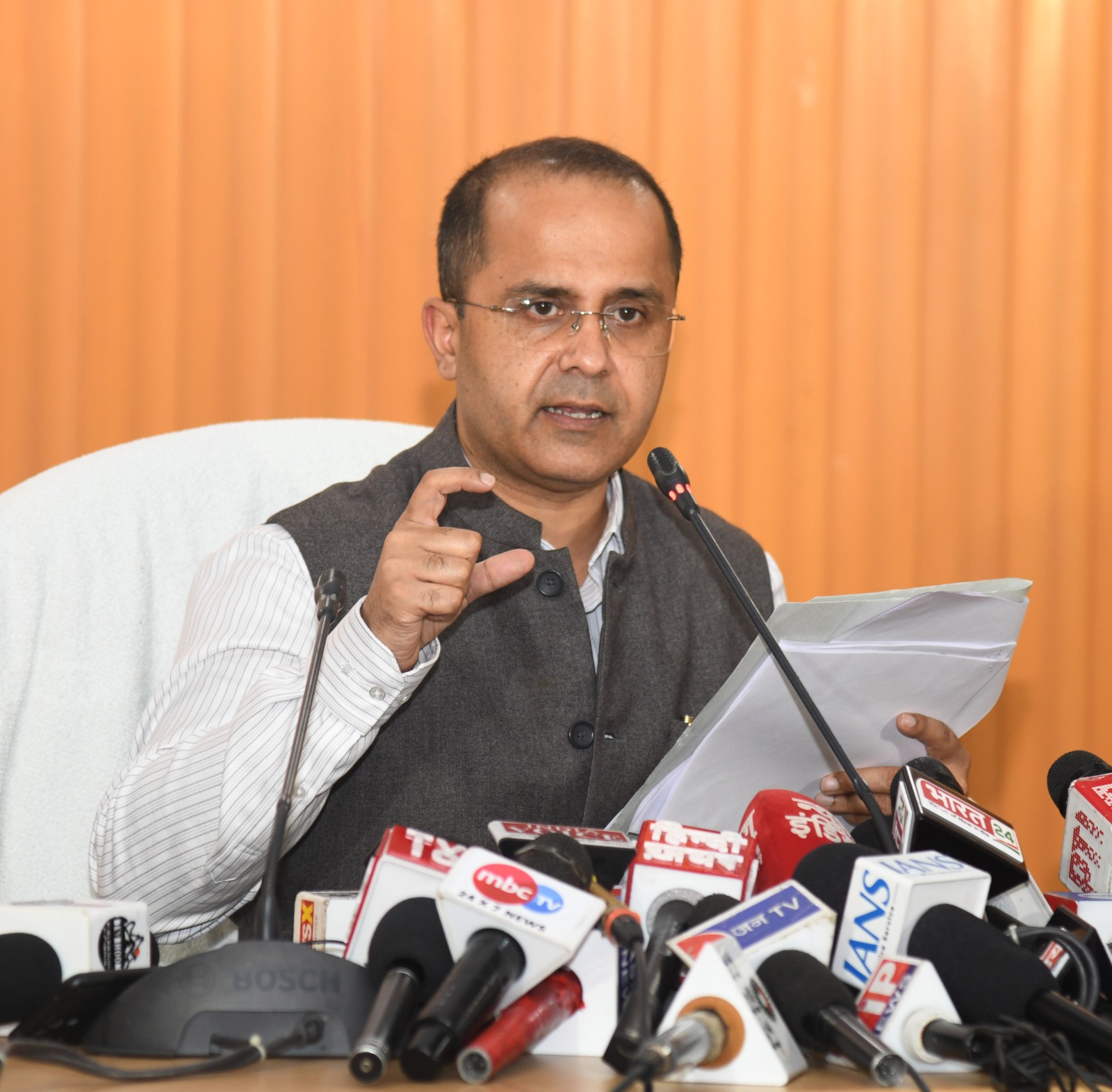
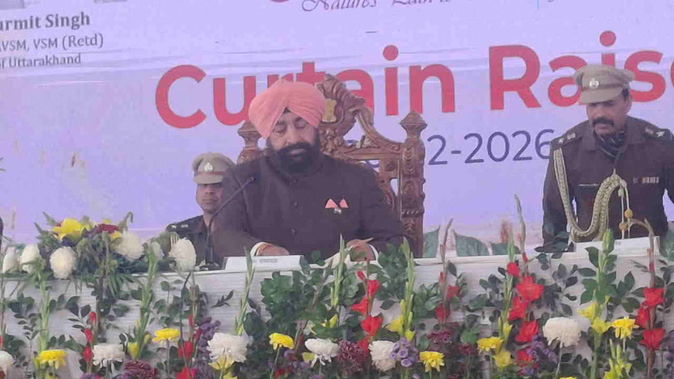
In a cabinet meeting chaired by Chief Minister Pushkar Singh Dhami, 20 major agenda items were discussed and several significant proposals were approved. The cabinet expressed gratitude to the brave soldiers and Prime Minister Modi for the success of ‘Operation Sindoor’, calling it a symbol of India’s military strength and unwavering commitment to national defense.
Key Cabinet Approvals:
- Street Children Policy: The cabinet approved the long-pending policy in compliance with Supreme Court directives, aimed at the welfare and rehabilitation of street children.
- Mukhyamantri Ekal Mahila Swarozgar Yojana: Aimed at empowering destitute single women, the scheme targets 2000 women in its first phase. Each selected beneficiary can start a business project worth up to ₹2 lakh, with the government providing ₹1.5 lakh as subsidy. Sectors like agriculture, horticulture, fisheries, and beauty parlors are included. ₹30 crore has been allocated for the initiative. If the business fails to start, the government will recover the subsidy, but the focus remains on promoting sustainable livelihoods.
- Poultry Farming Policy: Approved for large investors. Subsidy of 40% for hilly areas and 20% for plains. Modelled after Haryana’s policy. Plans for 35 egg-laying and 20 broiler units, generating employment for 3,000 people.
- Energy Sector Reform: Policy approved based on a report from consultancy firm McKinsey to boost energy efficiency and strengthen UPCL’s infrastructure.
- GST: Service rules for Joint Commissioners approved.
- Secretariat Administration: The CM Relief Fund will now be deposited in the bank offering the highest interest rate.
- Juvenile Justice Fund: Rules approved for utilizing funds under Section 110 of the Juvenile Justice Act, 2015.
- Stray Cattle Policy: Funds for managing stray cattle will now come solely from the Animal Husbandry Department. District Magistrates can now approve projects at the local level. NGOs will bear 40% of the cost while the government will provide 60% subsidy for cow shelter construction.