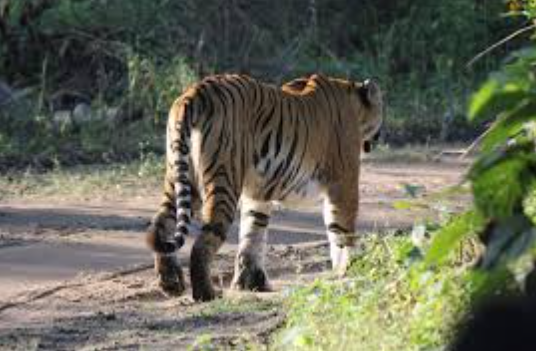
Human-wildlife conflict continues to raise concern in Uttarakhand, with a sharp increase in tiger attacks reported this month. In the last 19 days, six people have died in wildlife-related incidents across the state, including four deaths caused by tiger attacks.
Forest department data indicates that while a decline in bear attacks was expected due to lower temperatures and the onset of hibernation, bear-related incidents are still being reported. After bears, tigers have now emerged as a major threat, particularly in forest fringe areas.
According to officials, four people were killed in tiger attacks this month in areas falling under Kalagarh Tiger Reserve, Ramnagar, and the Terai East Forest Division. In addition, two people lost their lives in leopard attacks, including a woman in Nainital Forest Division and a man in Bara village of Pauri district.
The scale of the issue is reflected in last year’s figures. Till the previous year, 68 people lost their lives and 488 were injured in human-wildlife conflict incidents in Uttarakhand. These cases also involved damage to livestock, crops, and property, highlighting the broader impact on rural livelihoods.
Official records show that in 2025 alone, tiger attacks claimed 12 lives and left five people injured. Leopard attacks were even more frequent, resulting in 19 deaths and injuries to 102 people across different forest divisions of the state.
Chief Conservator of Forests Ranjan Mishra said this period coincides with the tiger breeding season, which increases animal movement outside core forest areas. He advised people to avoid entering forests during this time and urged those who must go for essential work to move in groups, remain alert, and make noise to reduce risk.
Also Read This – Uttarakhand weather stress hits crops, wheat and mustard suffer up to 25% damage
While awareness campaigns and precautionary measures are being undertaken by the forest department, repeated fatalities point to the need for stronger ground-level interventions, especially in high-risk zones where human and wildlife habitats overlap.