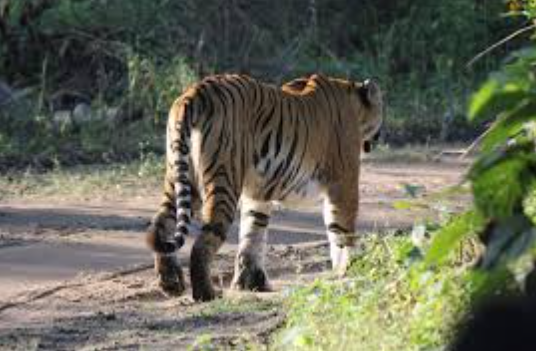
With India’s tiger population increasing steadily, the Wildlife Institute of India (WII) will now conduct a detailed assessment of tigers living outside designated tiger reserves. The initiative, under the “Management of Tigers Outside Tiger Reserves” project, aims to reduce human-wildlife conflicts and improve conservation management in such areas.
According to WII, the tiger population in India has grown at an annual rate of 6.1 percent — from 1,411 in 2006 to 3,682 in 2022 — with tigers now spread across 103,408 sq km. Nearly 30–35 percent of these tigers inhabit forest divisions outside official tiger reserves, making conflict mitigation in these areas a major conservation challenge.
In Uttarakhand, the study will cover 13 forest divisions. WII scientist Bilal Habib said that the project will not only assess tiger presence but also focus on reducing human-wildlife conflict, training forest personnel in AI-based and modern tracking technologies, enhancing field capacity, and promoting public participation in conservation efforts.
The project’s first phase will span ten years and include 220 forest divisions across the country. Between 2014 and 2024, tiger attacks have resulted in 68 deaths and 83 injuries nationwide. From January to June this year alone, 25 people lost their lives — 10 of them in tiger attacks — underscoring the urgent need for effective coexistence measures.