The Delhi-Dehradun Expressway is set to be dedicated to the public, promising faster connectivity between the national capital and Uttarakhand’s capital. While the Delhi-Dehradun Expressway will significantly reduce travel time, concerns are growing over increased traffic pressure in Dehradun.
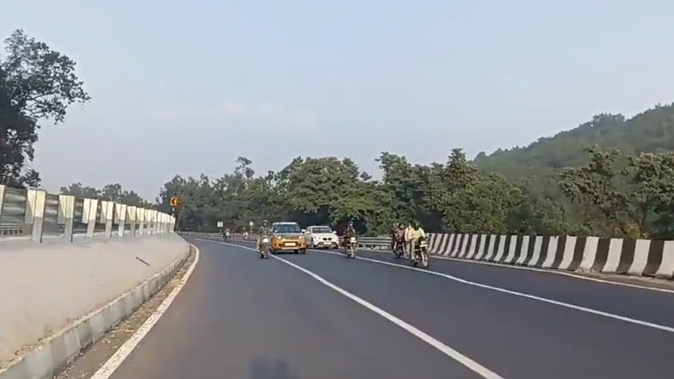
The expressway starts from Akshardham in Delhi and connects Baghpat, Shamli, Muzaffarnagar and Saharanpur before reaching Asharodi in Dehradun. Built with more than 100 underpasses, multiple flyovers, railway overbridges and tunnels, the project aims to provide seamless travel. However, authorities anticipate challenges in managing the sudden surge of vehicles entering the city.
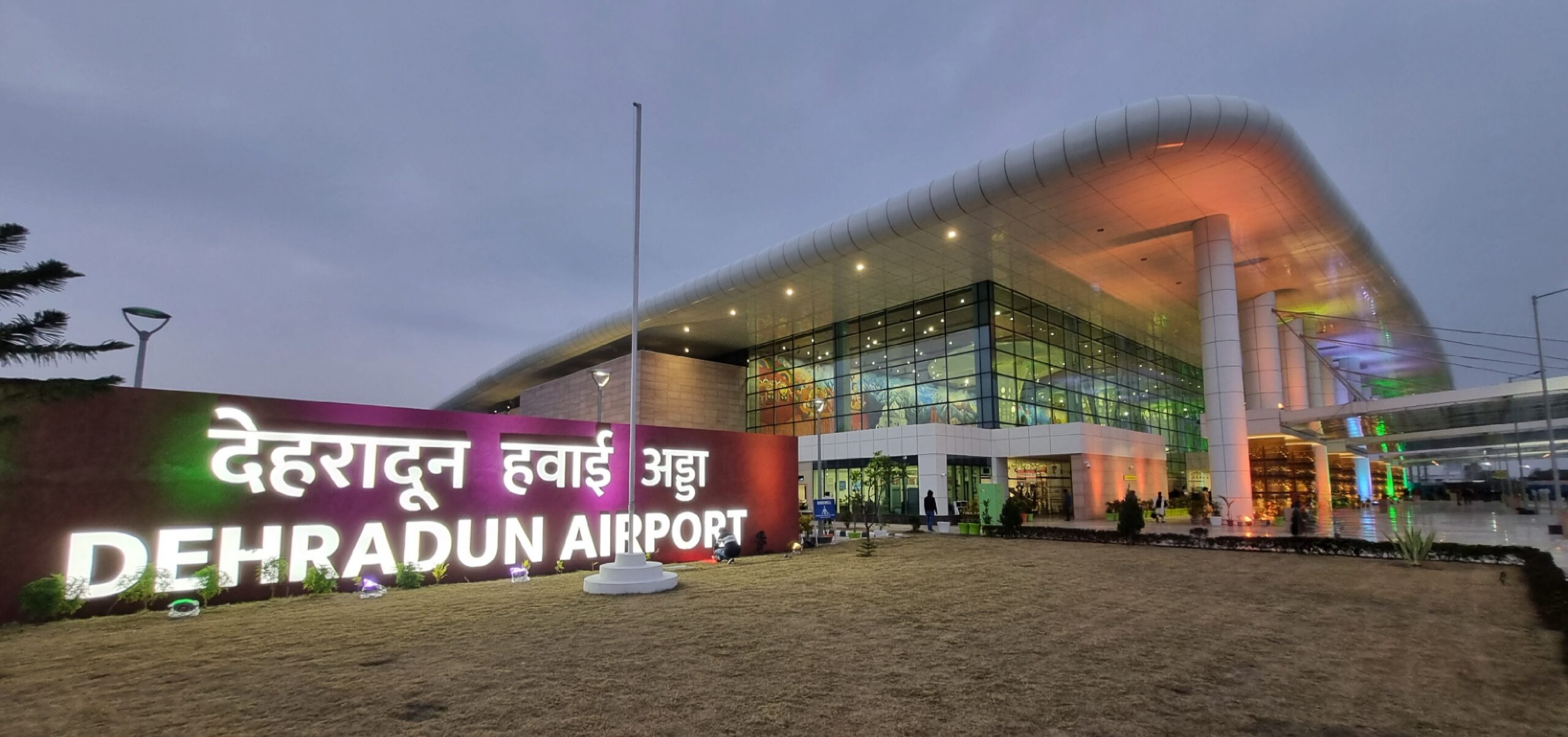
Officials believe that while the Delhi-Dehradun Expressway will cut travel time from nearly six hours to around two and a half hours, it could lead to congestion at key entry points. Areas like Asharodi are already witnessing rising traffic, and past incidents on downhill stretches have raised safety concerns.
Traffic pressure is expected to increase further during peak tourist seasons and Char Dham Yatra. Police estimates suggest vehicle flow could rise three to four times during peak hours after the expressway becomes fully operational. A detailed assessment will be carried out after its formal opening.
Earlier, commuters had two route options to reach Delhi, including the Haridwar route. With the new expressway offering a faster and smoother drive, more vehicles are likely to shift to this corridor, increasing pressure on Dehradun’s internal roads.
Key city routes such as GMS Road, Rajpur Road, Saharanpur Road, Haridwar Bypass, ISBT area, Clock Tower and Mussoorie Road may face heavy congestion. Bottlenecks similar to Jogiwala could emerge at Asharodi if infrastructure upgrades are not implemented quickly.
Despite these concerns, the Delhi-Dehradun Expressway is expected to boost trade and tourism. Industrial bodies have said improved connectivity will ease transport, support exports and attract more visitors to Dehradun.
Meanwhile, police have prepared short-term and long-term traffic management plans. Measures include installing signboards, strengthening traffic monitoring, deploying additional personnel at key junctions and enforcing restrictions on heavy vehicles.
Authorities have also proposed infrastructure upgrades such as multi-level parking, road widening and construction of elevated corridors. Coordination with departments like PWD, Municipal Corporation and transport authorities has been initiated to manage future challenges.
Also Read This – Dehradun Cleanliness Drive: CM Dhami Sweeps Ballupur Chowk
The Delhi-Dehradun Expressway marks a major infrastructure milestone, but its success will depend on how effectively traffic and urban pressure are handled in the coming months.