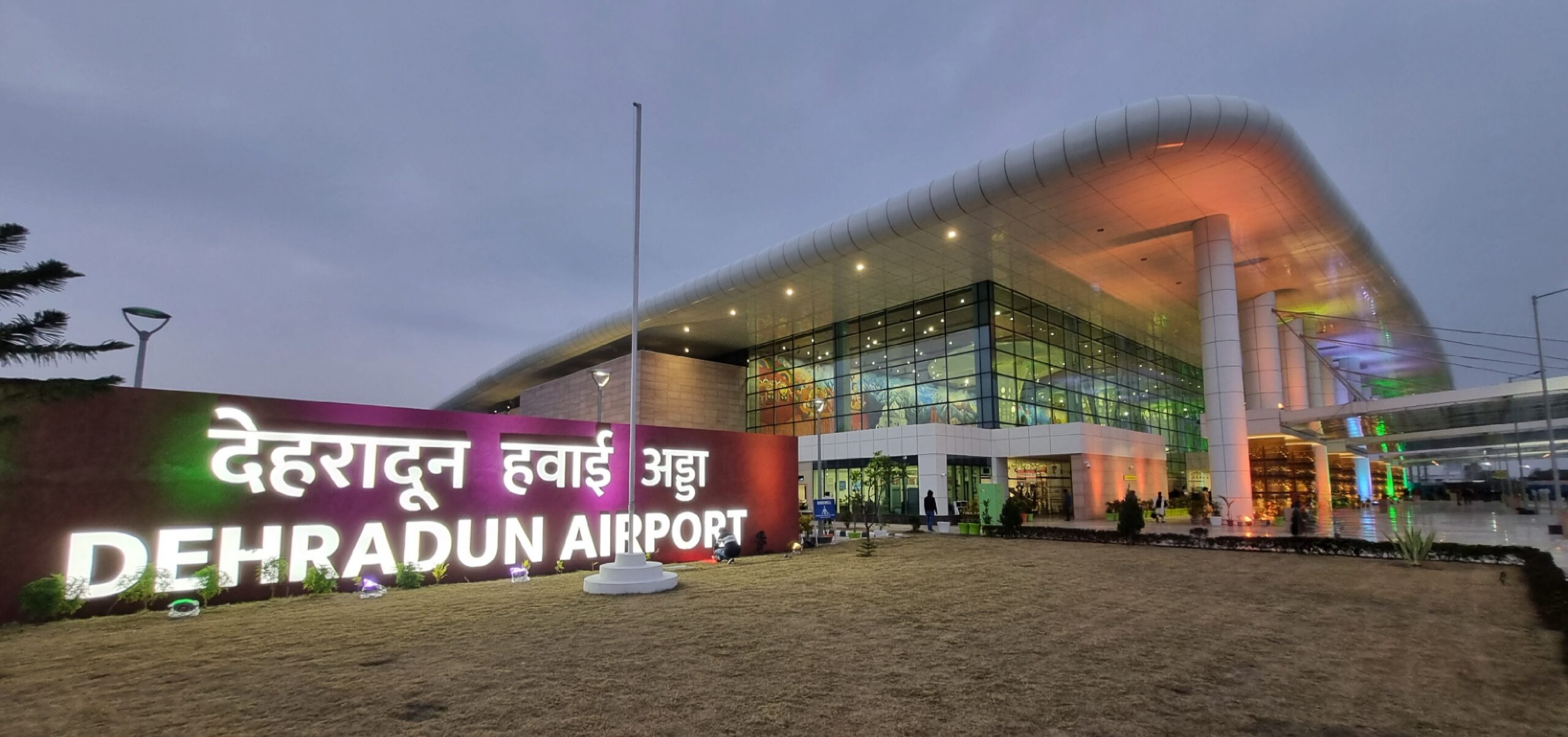
The Uttarakhand High Court has dismissed two petitions related to food and beverage operations at Jolly Grant Airport, bringing temporary closure to a contractual dispute. The decision was delivered by a division bench comprising Chief Justice Manoj Kumar Gupta and Justice Subhash Upadhyay.
The petitions were filed by Manish Taxi Service, which had earlier been awarded a seven-year concession agreement by the Airports Authority of India in 2024 to operate food and beverage outlets at the airport. However, disputes arose between the two parties over non-payment of licence fees and alleged non-compliance with agreement conditions.
According to AAI, multiple notices were issued to the firm for pending dues. After the dues remained unpaid, the authority invoked the bank guarantee and terminated the concession agreement on May 31, 2025. The petitioner challenged this action in court, terming it arbitrary and also sought a stay on the fresh tender process initiated by AAI.
During the hearing, the High Court observed that the dispute was purely contractual in nature and noted that the agreement already included provisions for arbitration. The bench held that intervention through a writ petition was not appropriate when an alternative dispute resolution mechanism was available.
The court further pointed out that the petitioner had already approached arbitration and a commercial court, where the matter is under consideration. It clarified that the dismissal of the petitions does not amount to a ruling on the merits of the case and that the petitioner remains free to pursue remedies in the appropriate legal forum.
Petitioner Manish Chakravarti stated that the case has not ended and that they will now present their arguments before the district court, as indicated by the High Court.
Also Read This – Almora: Drunk Miscreants Vandalise Vehicles in Paparsheli, Two Detained
The case highlights recurring issues in contract enforcement at public infrastructure sites, where delays in payments and operational disputes often escalate into prolonged legal battles.