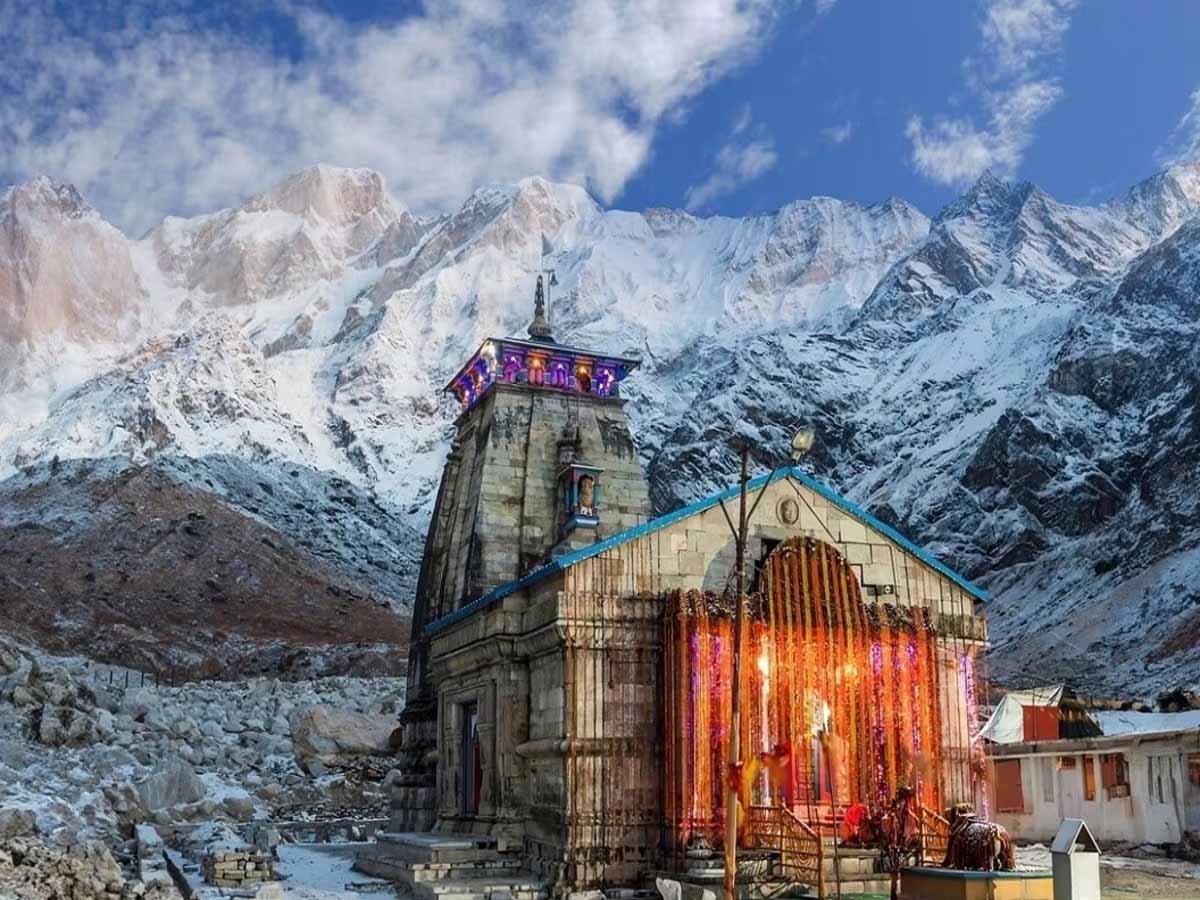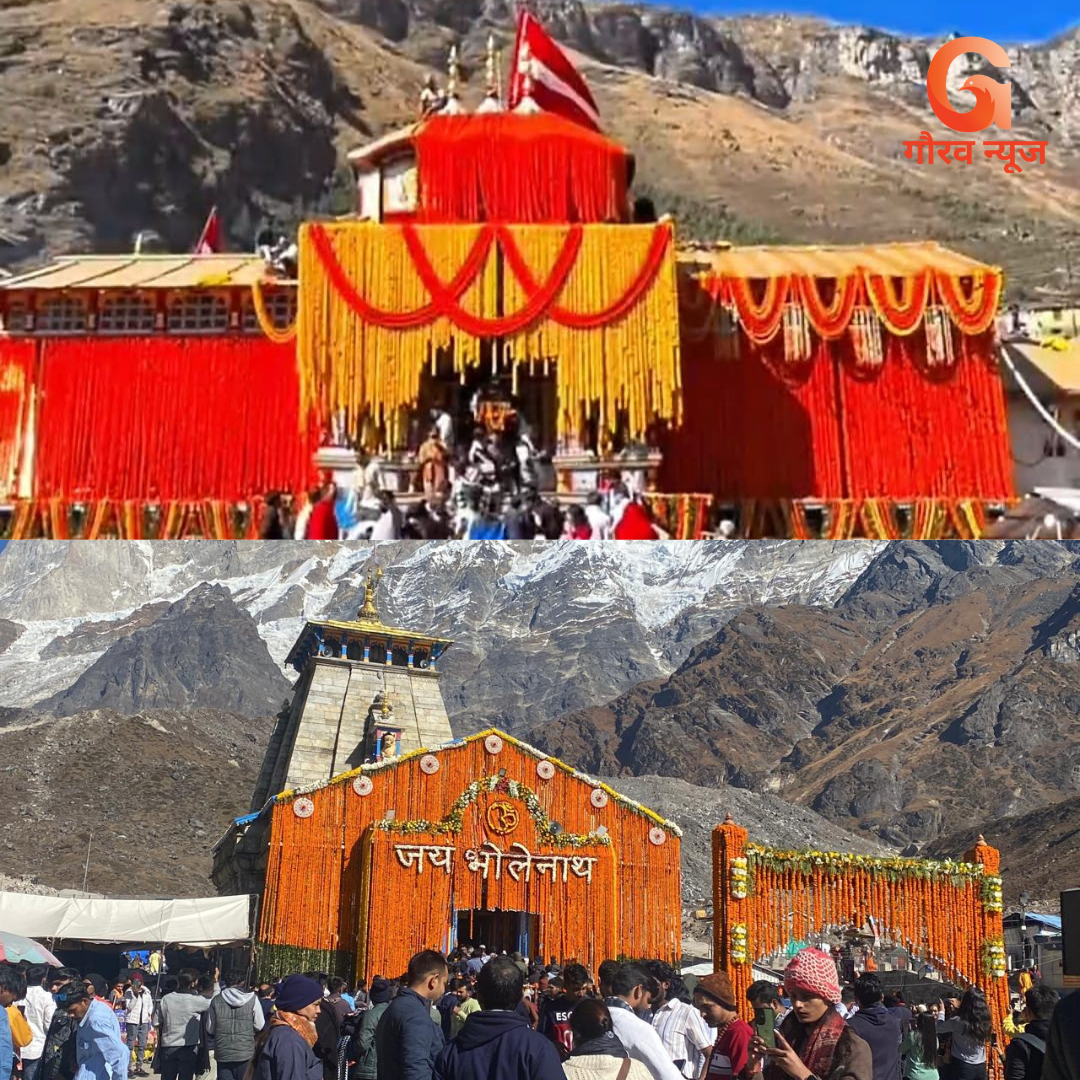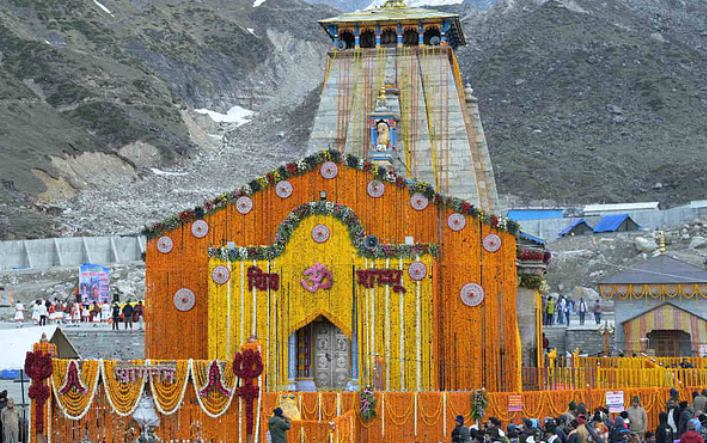
In a major change at Kedarnath Dham, devotees will no longer be allowed inside the sanctum (garbhagriha) for darshan this season and will instead have to view the self-manifested Shivling from the Sabha Mandap. The decision comes after repeated instances of overcrowding and mismanagement inside the temple, which often led to chaos and long waiting hours for pilgrims.
Officials claim the move is aimed at streamlining darshan and reducing congestion, but it also highlights the administration’s continued struggle to manage heavy footfall at one of the country’s most prominent pilgrimage sites. Every year, lakhs of devotees gather here, yet crowd control measures have largely remained reactive rather than well-planned.
Authorities have introduced token-based darshan and instructed that devotees complete their visit from the Sabha Mandap itself, instead of entering the inner sanctum. While this may reduce immediate pressure inside the temple, it raises questions about whether long-term infrastructure and crowd management solutions are being adequately addressed.
Additional restrictions have also been imposed. Mobile phones have been banned within a 70-metre radius of the temple, and photography or videography, including making reels, has been strictly prohibited. Devotees will have to rely on lockers arranged by the temple committee to store their belongings.
Badrinath-Kedarnath Temple Committee (BKTC) officials stated that the arrangements are in line with improving the pilgrimage experience and ensuring smoother movement. However, the repeated need for such restrictions underscores gaps in planning, especially considering the scale and importance of the yatra.
Also Read This – Dehradun Police Bust Debit Card Fraud Gang, Three Arrested with 66 Cards
The administration has also reiterated its focus on cleanliness and a “green yatra” approach, but for many pilgrims, the key concern remains basic accessibility and ease of darshan, which continues to be a challenge despite multiple claims of improved व्यवस्था.